
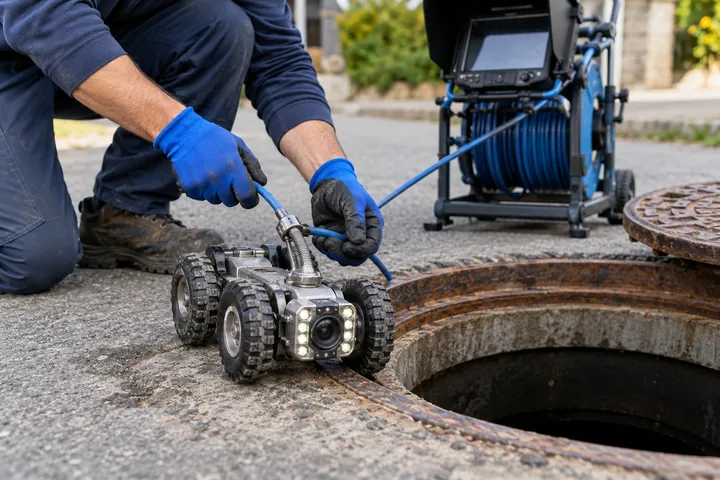
Larger Sewer Pipes
Inspect accessible sections of larger wastewater lines. Footage can help identify visible buildup, root intrusion and joint defects.
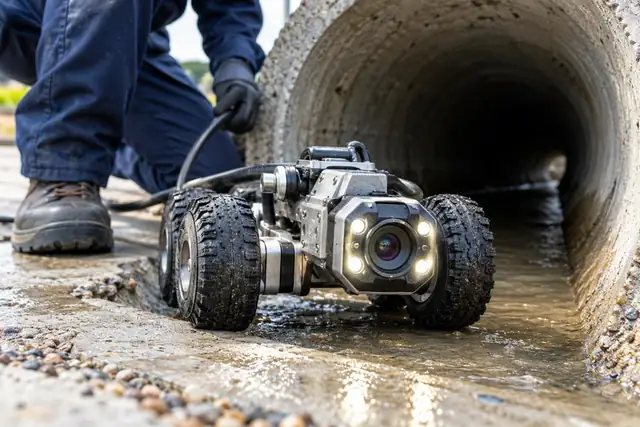
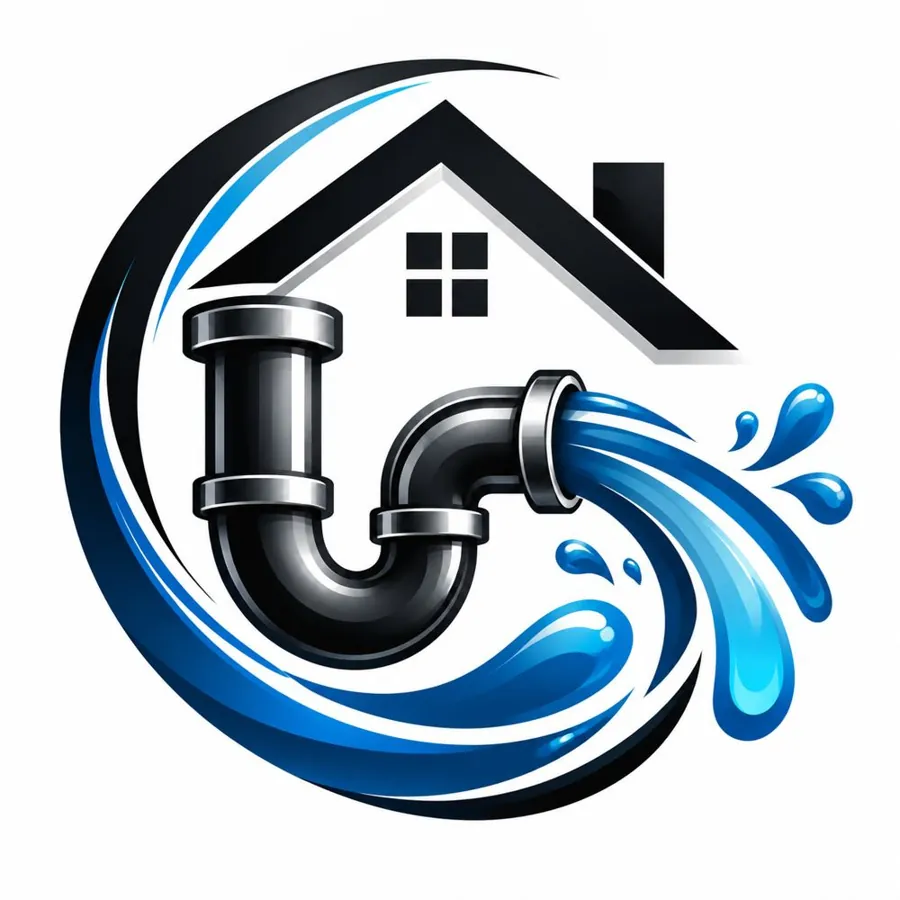
Larger sewer and stormwater pipes can be difficult to assess from the surface. Our crawler camera inspection service in Allentown uses a wheeled camera unit to inspect accessible, suitable pipes and record their visible condition. We explain access requirements, what the footage shows and where further investigation may be needed.
A crawler camera can travel through suitable larger lines and show deposits, obstructions, displaced joints and visible damage. It helps guide decisions when drainage problems keep returning or the condition of a pipe is uncertain.
The inspection depends on pipe size, access, water level and visibility. A heavily obstructed or submerged section may need cleaning first, and a camera cannot establish every hidden defect outside the pipe.
Call NowInspect accessible sections of larger wastewater lines. Footage can help identify visible buildup, root intrusion and joint defects.
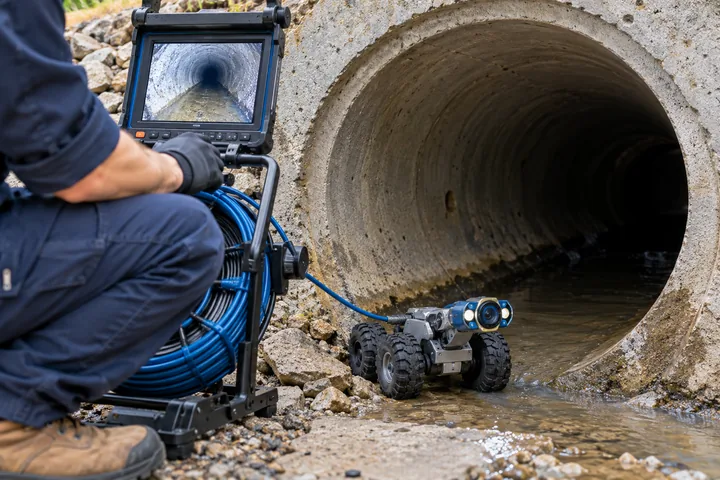
Examine suitable stormwater pipes for sediment and obstructions. Access and water levels are reviewed before the survey.
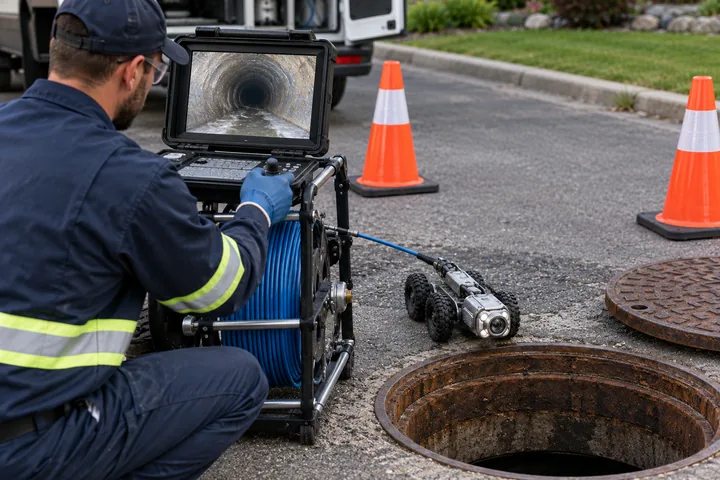
Investigate lines that continue to drain poorly after previous cleaning. Findings help determine whether another clean or a repair assessment is appropriate.
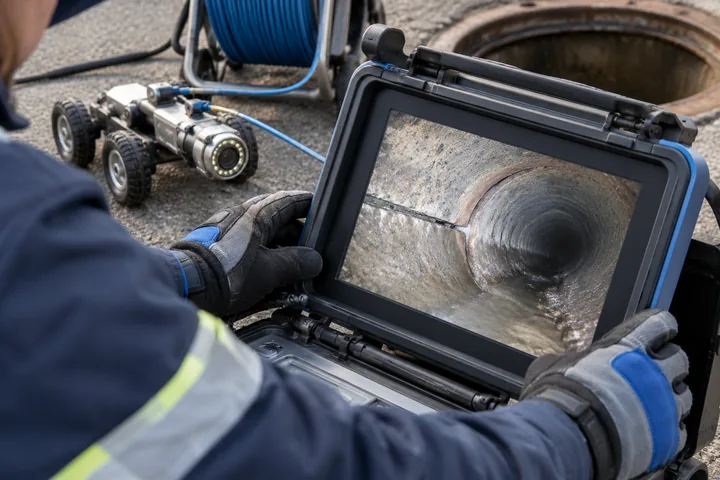
Record visible internal conditions along the accessible route. We explain the inspected sections and any areas the camera could not reach.
A recurring problem may need a closer look at the condition of the line.
An accessible larger line with little maintenance history can benefit from a condition survey.
Slow flow after cleaning may indicate deposits, displaced joints or structural damage.
Inspection can help define the accessible pipe condition before cleaning or repair decisions.
Footage makes visible internal conditions easier to discuss.
Findings help guide cleaning or further investigation.
Suitable surveys use existing access points where possible.
Uninspected or obscured sections can be identified clearly.
We check the accessible problem before recommending a method.
We discuss the proposed service and estimate before you approve it.
We review the work area and access requirements with you.
We explain the results and any further investigation that may be useful.
Discuss pipe size, drainage history and available access points.
Assess water levels and whether preliminary cleaning is required.
Operate the crawler along the accessible route and record visible findings.
Discuss the footage, survey limitations and recommended next steps.
The location of the drain, available cleanouts and equipment access affect the work required.
Pipe size, deposits, inspection requirements and any collection or disposal work influence the estimate.
Confirm scheduling, any urgent attendance charge and whether additional inspection is included before approving the work.
We explain the proposed scope and pricing. Additional work should be discussed before it begins.
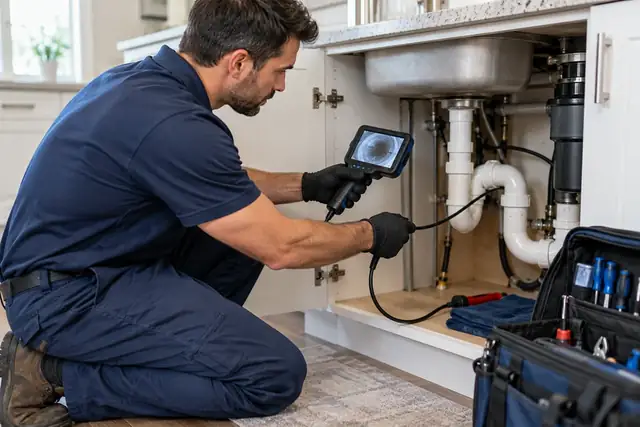
A crawler is intended for suitable larger pipes. A smaller push camera may be more appropriate for household branch drains and smaller sewer lines.
No. Footage can show visible internal defects, but it does not prove that a pipe is watertight or reveal all conditions outside the pipe. Additional testing may be required.
Sometimes. Sediment, wastewater or a blockage can obscure the camera view or prevent travel. We explain any preparation required before proceeding.